
By Globalvib Desk | July 18, 2026
Despite launching repeated attacks and forcing the US to carry out continuous air strikes, Iran is struggling on multiple fronts. The Islamic Revolutionary Guard Corps (IRGC) has demonstrated military resilience as a regional middle power, but deep internal divisions and leadership vacuum are creating serious security and economic challenges for Tehran.
Leadership Crisis Inside Iran
The absence of Iran’s Supreme Leader from public view has left key decisions in the hands of just two figures: Mohammad Bagher Zolqadr, Secretary of the Iranian National Security Council, and IRGC General Ahmad Vahidi. This centralization of power amid ongoing conflict with the United States is limiting Iran’s strategic options.
Recent Example: The day before yesterday, the US conducted an airstrike on a key bridge in Iran. Within just 24 hours, Iranian forces restored an alternative route — showcasing tactical adaptability, but also highlighting the constant pressure Tehran is under.
The Yemen Flashpoint: Bab al-Mandab vs Strait of Hormuz
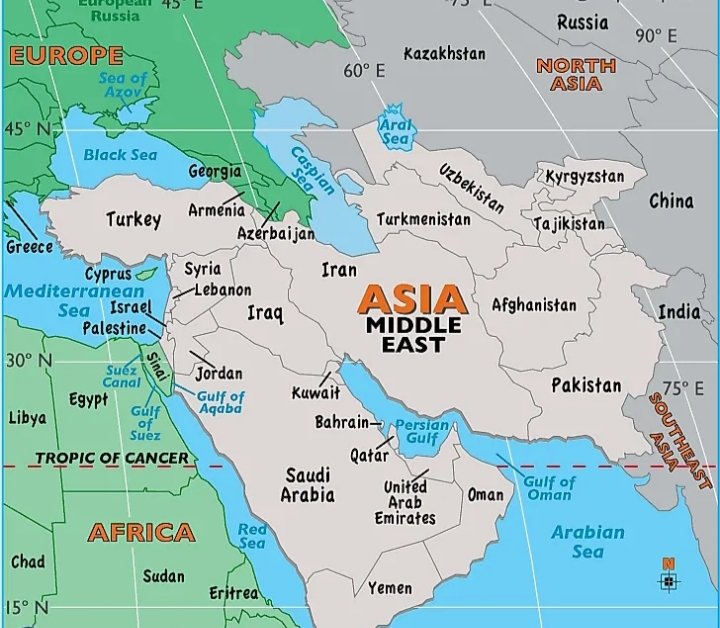
While the Strait of Hormuz closure has caused an energy crisis, alternative routes have kept the impact manageable. However, any attempt to close the Bab al-Mandab Strait could push global trade — especially Asia — toward catastrophe.
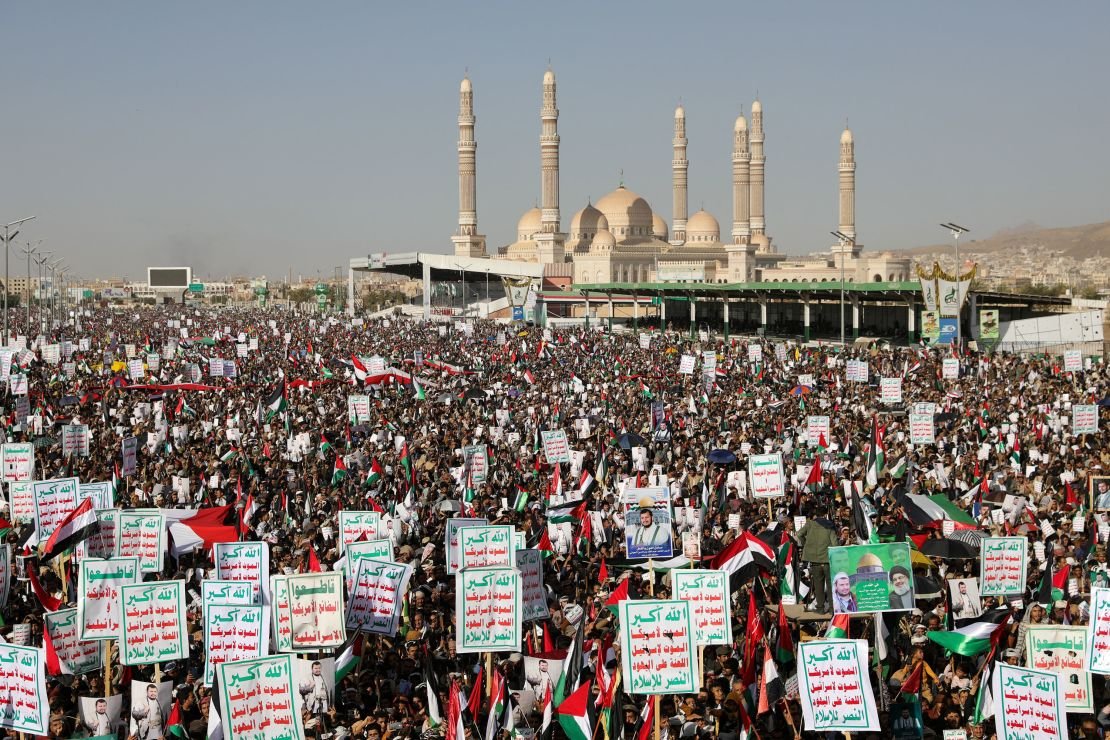
Saudi Arabia is now prepared for full-scale escalation in Yemen, even direct confrontation with Iran. Riyadh views Houthi threats to close Bab al-Mandab (on Iranian instructions) as an existential threat to its regional hegemony and a trigger for global economic crisis.
Why Bab al-Mandab Closure Would Be Catastrophic:
- It would face immediate opposition from US, UK, France, Germany, Turkey, Israel, and Saudi-led forces.
- Major military bases in Djibouti (US, UK, France, China, Russia, Turkey, Germany) sit right opposite the strait.
- Saudi-backed forces in South Yemen, along with local tribes, are already advancing.
-
Military Balance in Yemen: Houthis vs Saudi-Backed Forces
According to reports, the current force comparison heavily favors the Saudi-backed side for the first time:
Houthi Forces:
- Regular army: 200,000
- Supporting tribal forces: 20,000
- Reserve: 20,000
- Total: ~240,000
Saudi-Backed & Allied Forces:
- Homeland Shield Forces: 40,000
- Allied forces: 10,000
- Reserve: 40,000
- Supporting tribes: 50,000
- National Resistance Forces: 20,000
- Storm Brigades: 20,000
- Southern Transitional Council (STC): 75,000
- Total: ~255,000+ A large military convoy of Saudi-backed Homeland Shield Forces has already moved from al-Abur toward Marib. Houthis have fortified positions with tanks, missiles, drones, and bunkers, but face rebellions from local tribes they once relied upon.
Pakistan’s Clear Message to Iran
Pakistan has directly conveyed to Iran that the situation in Yemen has changed. Islamabad has finalized operational plans with Saudi Arabia and has deployed Air Force and military assets at Saudi bases, including Dammam. Pakistan has warned that any misadventure by Iran or its proxies will not be Pakistan’s responsibility.
Broader Regional Shifts
- Syria: Regime change has already occurred. Syrian forces are now cutting Iranian supply lines to proxies in Lebanon.
- Lebanon: Turkey and Syria are expected to push for regime change soon.
Iraq: Iranian proxies are being pressured to integrate or face crackdowns; several pro-IRGC politicians and ministers have been arrested.


Leave a Reply